Plot Site Visit Checklist: 15 Things to Inspect Before Buying Land in Hyderabad
A practical 15-point checklist for inspecting plot location, boundaries, roads, drainage, utilities, approvals, surroundings and development before you buy.
Online listings, promotional brochures and location maps can help buyers shortlist plots in Hyderabad. However, they cannot replace a physical site visit.
A plot may appear attractive in an advertisement but have problems related to access, boundaries, drainage, elevation, infrastructure or surrounding land use. These issues may affect construction costs, resale demand and the property’s long-term value.
A site visit should not be treated as a quick tour arranged by the seller. It is an opportunity to compare marketing claims with the actual condition of the property.
This 15-point plot site-visit checklist will help buyers inspect land more carefully before paying a booking amount or signing an agreement.
Important: A physical inspection does not replace legal verification. Title, approvals and ownership documents should be reviewed independently by a qualified property lawyer.
What to Carry During a Plot Site Visit
Before travelling to the location, carry or request:
- Copy of the approved layout
- Plot number and dimensions
- Survey numbers
- Location coordinates
- Developer’s brochure
- Mobile phone with GPS
- Measuring tape or laser-measuring device
- Notebook and camera
- Written cost sheet
- Project approval and RERA details
- Contact details of the seller or site representative
If possible, take an independent surveyor, civil engineer or property professional for the final inspection.
15 Things to Inspect Before Buying a Plot
1. Confirm the Exact Plot Location
Ensure that the plot shown during the visit is the same property mentioned in the documents. Confirm the plot number, block or phase, survey number, village, mandal, district, layout name and GPS location.
Ask the representative to identify the plot on the approved layout map. Do not rely only on temporary flags, painted stones or verbal statements.
2. Check the Plot Dimensions
A plot advertised as 200 square yards should physically correspond with the dimensions mentioned in the documents. Verify frontage, depth, total area, shape, corner measurements and road-facing side.
For serious purchases, engage a qualified surveyor to check measurement shortages, boundary overlaps, encroachments, incorrect markers and differences between the site and approved layout.
3. Inspect the Plot Boundaries
Check permanent boundary stones, fencing, compound walls, adjacent plot markings, survey markers, encroachments and shared access areas.
Ask who owns the plots on all four sides and compare the physical boundaries with the east, west, north and south descriptions in the sale documents.
4. Verify the Access Road
A plot is useful only when it has legal and practical road access. Check road width, connection to the main road, public or private status, current condition, vehicle accessibility, entry restrictions, approach-road ownership and future road-widening plans.
Compare the actual road with the approved layout rather than relying only on a brochure claim such as “40-foot road” or “60-foot road.”
5. Check Drainage and Waterlogging Risk
Inspect the plot after rainfall if possible. Look for standing water, drainage channels, low-lying areas, blocked outlets and signs of previous flooding.
A dry site can still have drainage problems during heavy rain. Compare the plot level with surrounding roads and properties.
6. Check the Ground Level and Soil Condition
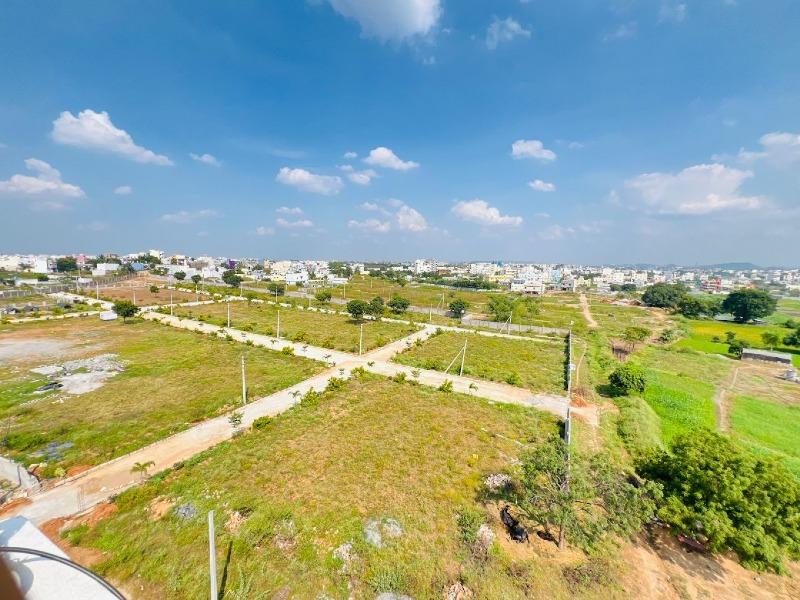
Observe whether the site is significantly lower or higher than surrounding land. Look for recent soil filling, loose earth, exposed rock or visible erosion.
Ground conditions can affect future site preparation, foundation planning and construction cost. A civil engineer can provide a more reliable assessment where conditions are uncertain.
7. Verify Electricity Infrastructure
Check whether electricity poles, lines and connections are already available. Identify the nearest infrastructure and ask who is responsible for providing internal electrical infrastructure.
Also check for high-tension lines or electrical infrastructure that could affect the plot or future construction.
8. Check Water Availability and Drainage Infrastructure
Ask how water is expected to be supplied to the development and whether the promised system is already operational or only proposed.
Inspect visible water lines, drainage arrangements, storm-water channels and the condition of completed infrastructure.
9. Compare the Site With the Approved Layout
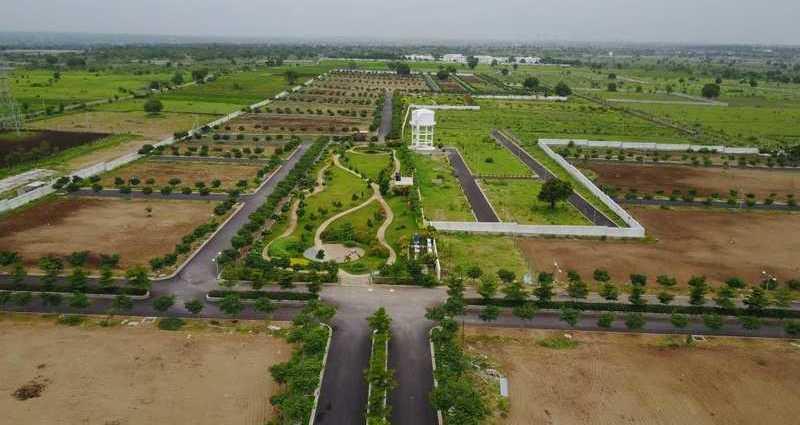
Carry the approved layout during the visit and compare the actual site with the sanctioned plan. Check plot number, shape, dimensions, roads, parks, open spaces and utility areas.
If the physical development does not match the approved plan, pause the transaction until the discrepancy is professionally explained.
10. Check Surrounding Land Use
Inspect neighbouring properties and identify residential, commercial, industrial, agricultural and other uses.
Look for factories, warehouses, high-traffic roads, waste facilities, large utility installations or other activities that could affect living conditions, construction or resale demand.
11. Inspect Nearby Water Bodies and Low-Lying Areas
Check whether lakes, nalas, drainage channels or other water bodies are located near the property. Observe the terrain and ask local residents about seasonal waterlogging.
Do not assume that a raised road or newly filled plot eliminates long-term drainage risk.
12. Check Road Connectivity and Actual Travel Time
Do not rely only on brochure distances. Drive the actual approach road and check connectivity to major roads, employment areas, schools, hospitals and other relevant destinations.
Measure real driving distance rather than relying only on straight-line map distance.
13. Inspect Development Quality and Promised Amenities
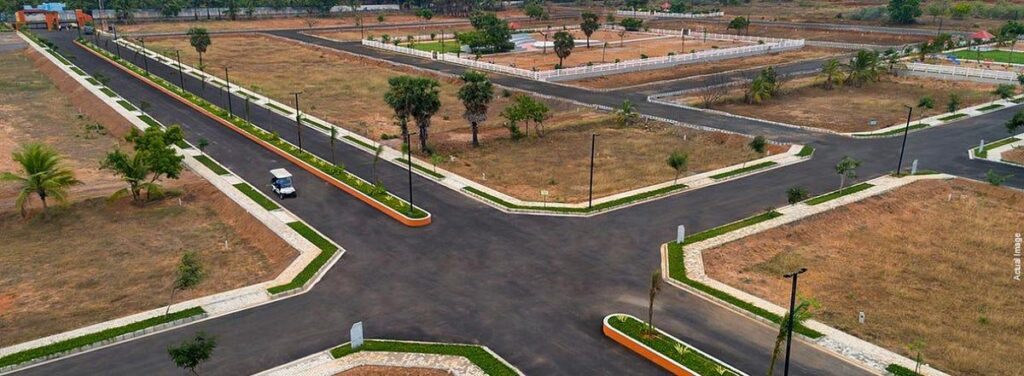
Check whether promised roads, streetlights, landscaping, parks, security, entrance features, drainage and other amenities actually exist.
Compare marketing material with the approved plan, agreement, specification sheet and development commitments.
14. Speak With Local Residents and Nearby Owners
Local residents can provide useful information about drainage, road access, flooding, boundary disputes, traffic, utilities and development history.
Ask neutral questions rather than relying only on information supplied by the seller or site representative.
15. Revisit Before Paying the Booking Amount
Whenever possible, make a second visit after reviewing the documents. A revisit can help you confirm plot identification, access, surroundings and any concerns raised during legal or survey due diligence.
Avoid paying immediately because of sales pressure. First understand the approvals, ownership documents, cost sheet, booking conditions and refund terms.
How to Verify the Plot Beyond the Site Visit
A physical inspection is important, but it does not replace legal due diligence. Ask an independent property lawyer to review title, ownership, encumbrances, approvals, access and transaction documents.
For applicable projects, verify RERA information through the official EXTERNALTG-RERA portal. For planning and layout information, use the relevant official authority and current approval system rather than relying on screenshots supplied by a seller.
Where applicable, buyers can also review the EXTERNALHMDA Development Permissions Management System and the EXTERNALBuildNow approval system.
Quick Plot Site-Visit Checklist
| Check | What to Verify |
|---|---|
| Plot identity | Plot number, survey number, phase, GPS and layout position |
| Dimensions | Frontage, depth, area and shape |
| Boundaries | Boundary stones, fencing, encroachments and neighbouring ownership |
| Road access | Width, condition, legal access and connectivity |
| Drainage | Waterlogging, slope and storm-water arrangements |
| Ground condition | Filling, soil, level differences and erosion |
| Utilities | Electricity, water, drainage and future connections |
| Approvals | Approved layout and applicable RERA details |
| Surroundings | Residential, commercial, industrial and environmental factors |
| Amenities | Roads, parks, streetlights, security and other promised facilities |
Frequently Asked Questions
What should I check first during a plot site visit?
Start by confirming the exact plot number, survey number, dimensions and boundaries. Ensure the plot being shown matches the approved layout and property documents.
Should I visit a plot during the rainy season?
A visit during or after rain can reveal drainage and waterlogging problems that may not be visible during dry weather.
Is an HMDA-approved plot automatically legally safe?
Layout approval is important, but it does not replace title verification. Ownership, encumbrances, access, boundaries and other documents must also be checked.
How can I verify a project’s layout approval?
Use the appropriate planning authority’s official portal and search using the permit number, village, survey number or project details. If the jurisdiction is unclear, obtain professional guidance.
Is a survey necessary before buying a plot?
A professional survey is strongly advisable when boundaries are unclear, the plot is irregular, the property is a resale plot or there is a risk of encroachment.
Can I rely on Google Maps for the exact plot location?
Google Maps can help with general location and connectivity, but it does not legally establish plot boundaries or ownership.
Should I pay a booking amount during the first visit?
Avoid paying immediately. First review the project approvals, ownership documents, cost sheet, booking conditions and refund policy.
Who should accompany me on the final site visit?
Depending on the property, consider taking an independent property lawyer, surveyor, civil engineer or trusted property consultant.
Conclusion
A plot site visit is not simply about checking whether you like the location. It is a structured inspection of the land’s boundaries, access, drainage, infrastructure, surroundings and future usability.
Before buying land in Hyderabad, confirm the exact plot on the ground, measure and survey the property, check road access and drainage, compare the site with the approved layout, verify utilities and surrounding land use, review documents independently and calculate construction and post-purchase expenses.
For assistance with location comparison, verified property options, site visits and purchase coordination, INTERNALcontact Anjana Properties.
Disclaimer: This article provides general educational information and does not constitute legal, engineering or investment advice. Obtain independent professional advice before purchasing land.
Plan Your Plot Site Visit Carefully
For location comparison, verified property options and site-visit coordination.
INTERNALContact Anjana Properties