Gated Community Plots vs Standalone Plots in Hyderabad
Which option is the better investment? Compare total cost, security, amenities, maintenance, construction freedom, legal checks and resale potential.
Introduction
Buyers planning to invest in land around Hyderabad generally encounter two options: a plot inside a gated or managed development, or a standalone plot in an independent layout or established locality.
Gated-community plots may offer planned infrastructure, security, shared amenities and organised maintenance. Standalone plots may provide a lower entry cost, greater construction flexibility and access to established neighbourhoods.
What Is a Gated Community Plot?
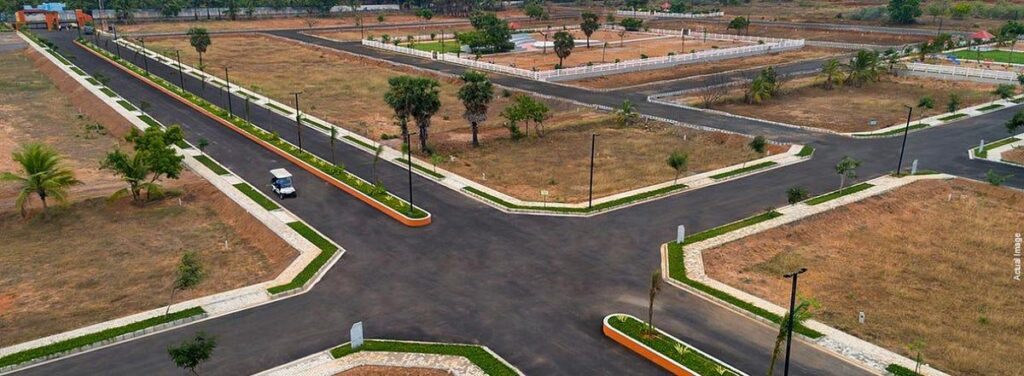
A gated-community plot is located in a planned development with controlled entry and commonly managed infrastructure. Depending on the project, facilities may include:
- Compound wall and entrance gate
- Security
- Internal roads and streetlights
- Water, electricity and drainage infrastructure
- Landscaped parks and walking tracks
- Clubhouse, play areas or sports facilities
- Community maintenance
The term “gated community” is a marketing description; it does not automatically prove legal approval. Buyers must verify the sanctioned layout, land title and project registration where applicable.
What Is a Standalone Plot?
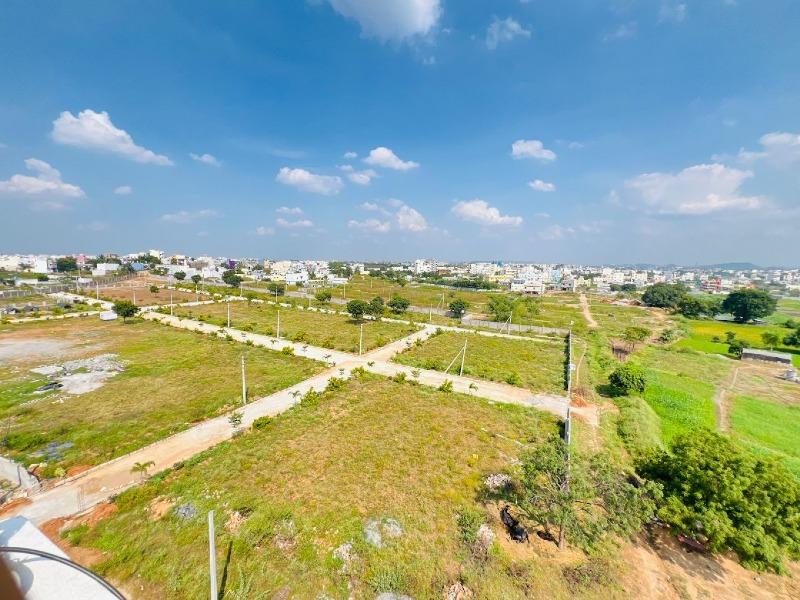
A standalone plot is an individual parcel that is not part of a centrally managed gated development. It may be located in an approved open layout, established colony, suburban village or older residential neighbourhood.
A standalone plot can still have valid approval, roads, parks and utility access. The main difference is normally the absence of controlled entry, extensive shared amenities and central community management.
Quick Comparison
| Factor | Gated community plot | Standalone plot |
|---|---|---|
| Entry price | Frequently higher | Can be more affordable |
| Security | Controlled entrance and common security | Owner manages site protection |
| Amenities | Common facilities may be available | Usually limited |
| Maintenance | Collectively managed with recurring charges | Individual responsibility |
| Construction | May have design or timeline restrictions | Often more flexible, subject to law |
| Plot choice | Limited to project inventory | Wider choice across localities |
| Resale audience | Families and lifestyle-focused buyers | Local buyers, investors and builders |
| Carrying costs | Maintenance may begin before construction | Usually fencing and upkeep costs |
1. Purchase Price and Total Cost
Gated Community
The price may include premiums for security, internal development, amenities, landscaping, project branding and community management. Corner, park-facing or wider-road plots may cost more.
Standalone
The entry price may be lower because extensive shared amenities are absent. However, standalone land in a mature neighbourhood can be more expensive than a distant gated project.
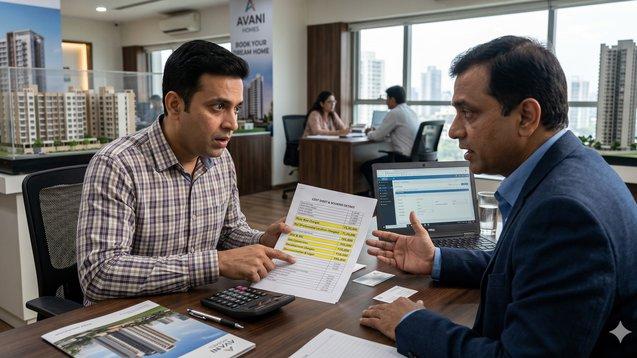
Compare the complete acquisition cost, including registration, development, preferential-location premiums, corpus fund, maintenance, brokerage, fencing, utility connections and legal verification.
2. Security and Encroachment Protection
Gated Community
Controlled access, security staff, fencing and regular maintenance can make vacant plots easier to monitor, particularly for NRIs and outstation owners.
Standalone
The owner may need boundary stones, fencing, an ownership board and periodic inspection. Clear boundaries and local supervision become especially important.
Physical security does not prove legal safety. Both options require a clear title, correct boundaries and an independent document review.
3. Infrastructure and Amenities
Gated projects may promise roads, drainage, lighting, utilities, parks and a clubhouse. Confirm which facilities are completed, approved, contractually committed or only displayed in the brochure.
A standalone plot in an established locality may already benefit from public roads, shops, schools, transport and existing houses. In many cases, reliable basic infrastructure is more valuable than proposed luxury amenities.
4. Maintenance Costs
Gated Community
- Corpus or maintenance deposit
- Security charges
- Common electricity
- Landscaping and clubhouse upkeep
- Road-repair contributions
Standalone
- Fencing
- Site cleaning
- Boundary repairs
- Individual security
- Access upkeep where required
Review when maintenance starts, how it can be revised, what it covers and whether transfer charges apply at resale.
5. Construction Flexibility
A gated community may regulate building elevation, minimum built-up area, exterior colours, construction period, contractor access and working hours. These rules can protect visual consistency but reduce individual freedom.
Standalone plots may offer greater choice of architect, builder, design and schedule. Construction must still comply with sanctioned plans, setbacks, land use and applicable building rules.
6. Location and Connectivity
A gated project in a distant location is not automatically better than a standalone plot closer to employment, transport and social infrastructure. Test actual travel time to:
- ORR, RRR and major highways
- Employment hubs
- Schools and hospitals
- Markets and public transport
- Airport or railway connections
Visit during peak traffic, at night and after rain where practical. Do not rely only on straight-line distances in marketing material.
7. Resale Potential
A maintained gated community may attract family buyers through security, presentation and project identity. However, resale owners can face high maintenance dues, transfer fees and competition from unsold developer inventory.
A standalone plot may appeal to local buyers and small builders, particularly in an established location. Its resale can be affected by unclear boundaries, poor access or irregular surrounding development.
8. Bank-Loan Eligibility
Banks may finance eligible plots in either category. Approval typically depends on clear title, residential land use, valid layout approval, road access, valuation, location and borrower eligibility.
Read the INTERNALcomplete guide to open-plot bank loans in Hyderabad.
9. Layout and RERA Verification
Approval is important for both gated and standalone developments. Compare the plot offered on the ground with the sanctioned layout, including roads, parks, utilities, plot dimensions and survey numbers.
10. Title and Ownership Checks
Both categories can have legal risks. Ask an independent property lawyer to examine:
- Current sale deed
- Previous link documents
- Encumbrance Certificate
- Survey numbers
- Land-use records
- Layout approval
- Seller’s authority
- Existing mortgage
- Development agreement or GPA
- Tax and revenue records
- Legal road access
- Physical boundaries
11. Appreciation Potential
Neither plot type guarantees appreciation. Land values can be influenced by employment growth, infrastructure, connectivity, residential demand, planning, construction activity, resale liquidity and the original purchase price.
A gated plot may perform well when
- Development is completed
- Occupancy increases
- Amenities are maintained
- The location has real demand
- The entry price is reasonable
A standalone plot may perform well when
- The locality is established
- Connectivity improves
- Construction increases nearby
- Supply is limited
- Title and access are clear
Which Option Is Better for You?
Choose a Gated Plot If You
- Value controlled access and security
- Want organised infrastructure
- Prefer common amenities
- Live outside Hyderabad
- Accept maintenance and design rules
Choose a Standalone Plot If You
- Want a lower entry cost
- Prefer construction flexibility
- Want limited recurring fees
- Can monitor the property
- Find a strong established location
Buyer Verification Checklist
- Exact plot location
- Physical dimensions
- Boundary markers
- Legal access road
- Approved layout
- Residential land use
- RERA registration where applicable
- Clear title
- Encumbrance Certificate
- Survey-number consistency
- Seller authority
- Water and electricity
- Drainage
- Maintenance obligations
- Construction restrictions
- Total purchase cost
- Resale demand
- Independent legal opinion
Frequently Asked Questions
Are gated-community plots safer?
They may provide better physical security, but legal safety depends on title, approval, boundaries, access and seller authority.
Are gated plots more expensive?
They often carry premiums for infrastructure, amenities, security and project management. Location and demand still influence the final price.
Can I construct any house in a gated community?
Not necessarily. Community design and construction rules may apply in addition to government regulations.
Are standalone plots harder to resell?
Not always. A clear, approved plot in an established, well-connected locality can have strong demand.
Which option gives better appreciation?
Neither guarantees returns. Location, approval, access, demand and entry price usually matter more.
Can banks finance both plot types?
Yes, subject to the property and borrower satisfying the lender’s legal, technical and financial requirements.
Which option is better for an NRI?
A managed gated community may be easier to monitor remotely, but independent legal verification and periodic inspections remain essential.
Conclusion
There is no universal winner. A gated-community plot may suit buyers who value security, organised infrastructure and managed surroundings. A standalone plot may suit buyers who prioritise a lower cost, construction freedom and established localities.
Before purchasing, compare the total cost, inspect the site, verify the layout and title, review maintenance or construction restrictions and obtain independent professional advice.
Disclaimer: Property values and returns are not guaranteed. This article provides general educational information and does not constitute legal, tax, financial or investment advice.
INTERNAL Same-domain links use relative URLs and open in the same tab.
EXTERNAL Official third-party links use absolute URLs,
target="_blank" and rel="noopener noreferrer".